
A failed Shaheen-III missile test on July 22 near Pakistan’s nuclear site in Dera Ghazi Khan triggered panic and protests. Explore the implications for regional security and Balochistan’s safety
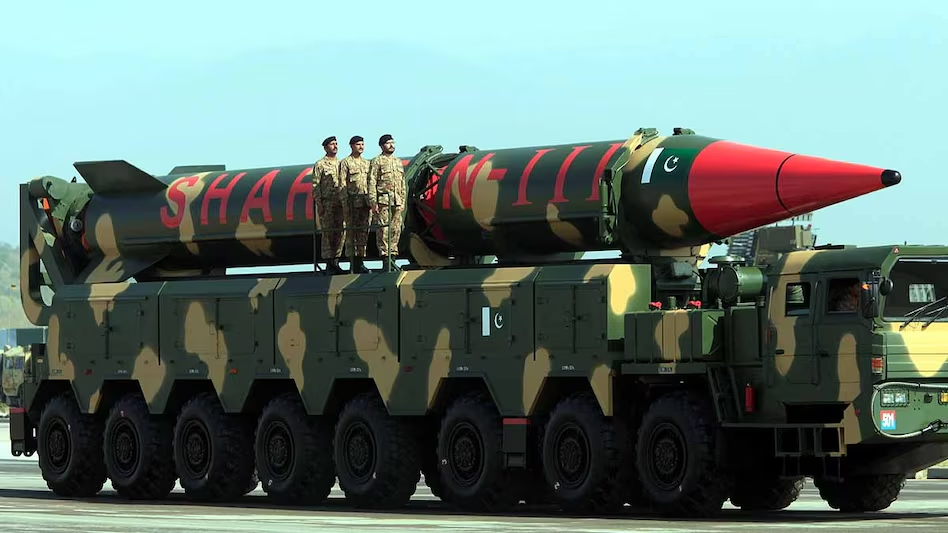
Shaheen-III missile failure
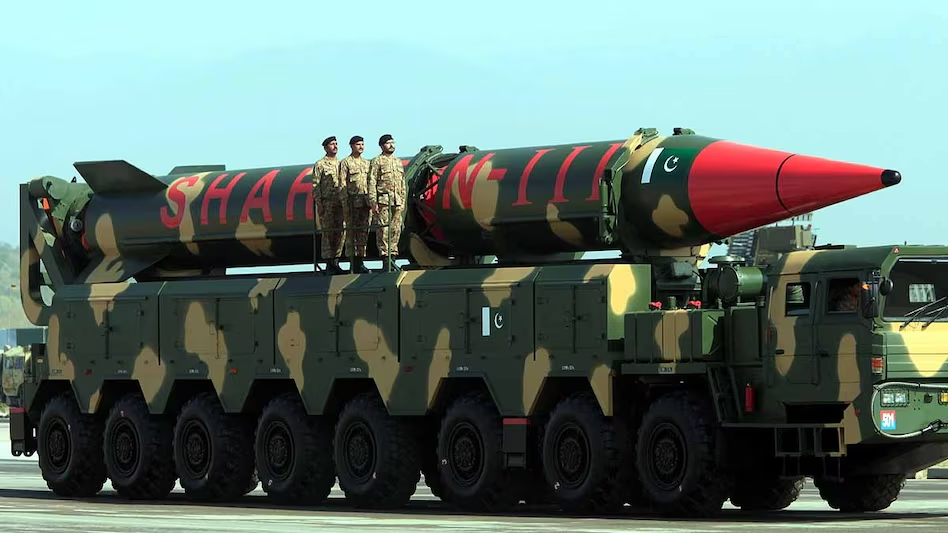
Shaheen-III Missile
A Close Call: Pakistan’s Shaheen-III Missile Test Ends in Disaster
An impending disaster was narrowly averted on July 22, 2025, when Pakistan’s test of its nuclear-capable Shaheen-III missile ended in catastrophic failure. The missile, launched from the Rakhshani area in Dera Ghazi Khan, veered off its intended course and crashed alarmingly close to a critical nuclear facility. Debris landed near the Loop Seharani Levy Station in Balochistan’s Dera Bugti district, just 500 meters from residential areas, triggering mass panic and a region-wide internet blackout.
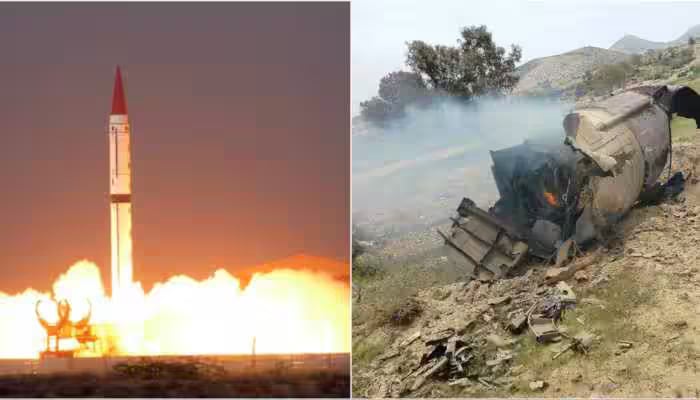
Panic Among Civilians, Suppression by Authorities
The incident caused a loud explosion that sent shockwaves up to 50 kilometers, affecting areas across Balochistan and Khyber Pakhtunkhwa. Social media was immediately flooded with videos of terrified residents fleeing, fearing it to be a foreign airstrike or a nuclear disaster. In response, Pakistani authorities:
- Imposed an internet and media blackout
- Restricted access to the crash site
- Advised residents to stay indoors
Officials like Mazhar Shirani from the DG Khan Commissioner’s Office tried to downplay the incident, calling it a “sonic boom” from a fighter jet, but the presence of missile wreckage and the scale of the blast cast serious doubts.
Strategic Risks: What is Shaheen-III?
The Shaheen-III is one of Pakistan’s most advanced ballistic missiles, with a range of 2,750 km, designed to target major Indian cities as part of Pakistan’s nuclear deterrence strategy. But this isn’t the first failure:
- October 2023 & January 2021: Shaheen-III crashes in Balochistan
- 2020: Babur-II missile crash
- 2022: Unexplained missile fall in Sindh
These repeated failures raise serious concerns about the reliability of Pakistan’s strategic missile program.
Balochistan: A Testing Ground or a Sacrifice Zone?
The failed test has rekindled resentment among Baloch communities, who accuse the military of treating the region as a “weapons laboratory.”
- Protests erupted in Dera Bugti and surrounding areas.
- Residents reported forced evacuations, lack of safety protocols, and long-term environmental damage.
- Activists also highlighted ongoing effects of Pakistan’s 1998 nuclear tests conducted in Chagai.
Sher Mohammad Bugti of the Baloch Republican Party condemned the incident, urging the United Nations and global human rights organizations to intervene and protect Baloch lives and lands.
Nuclear Security at Stake?
The Dera Ghazi Khan facility, near the crash site, is central to Pakistan’s nuclear program, believed to handle uranium processing and plutonium refinement. A missile failure near such a sensitive location raises alarming questions:
- Was the nuclear site damaged?
- Why the sudden information blackout?
- Is Pakistan’s nuclear command secure?
While no casualties have been reported, the potential for regional catastrophe loomed large.
Regional and Global Reactions
- India has not officially commented, but defense analysts are closely monitoring the situation, especially after India’s Operation Sindoor in May—a retaliatory strike post the Pahalgam terror attack.
- The U.S., too, has maintained silence, though nuclear surveillance aircraft were spotted near the area following the 2023 blast, suggesting growing international concern about Pakistan’s nuclear safety.
Final Thoughts: A Wake-Up Call
This latest Shaheen-III missile failure is not just a technical mishap—it’s a warning sign. It underscores systemic issues in missile reliability, transparency, and civilian safety. The continued use of Balochistan for risky weapons testing, without due precautions, has inflamed local anger and raised global red flags about Pakistan’s command and control systems.
As the world watches silently, pressing questions remain unanswered. But one thing is clear: the cost of one more failed test could be catastrophic—not just for Pakistan, but for the entire South Asian region.
Brahmos Is The Best