

US Tariffs on India: Causes, Consequences, and the Road Ahead
On August 1, 2025, a dramatic shift in international trade relations sent ripples through global markets: U.S. President Donald Trump imposed 25% tariffs on all Indian imports. The move, tied to India’s continued purchase of Russian crude oil and defense equipment, was accompanied by a barrage of inflammatory statements by Trump on his social platform, Truth Social. This sudden escalation marks a significant moment in Indo-U.S. relations—one with far-reaching economic and strategic consequences.
This blog explores the reasons behind the tariffs, the impact on Indian industry and exports, political reactions, and what India can do in response.
🧭 Understanding the Background: Why Did the U.S. Impose Tariffs?
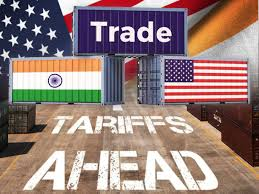
Trade tensions between India and the U.S. have flared periodically over the years, primarily around:
- High Indian Tariffs: The U.S. has long accused India of maintaining high tariffs on American products. Trump reignited these claims, stating that India imposes “obnoxious” duties and “strenuous non-monetary barriers.”
- Russian Oil & Defense Deals: India’s consistent purchases of Russian crude oil at discounted prices, and continued military procurements like the S-400 missile system, have irritated Washington, especially after it imposed sanctions on Russia over Ukraine.
- Bilateral Trade Deficit: While India exports more to the U.S. than it imports, U.S. officials argue that Indian non-tariff barriers make it harder for American companies to operate fairly.
- Global Realignment: Under Trump’s second term, there has been a clear trend of economic nationalism. The administration is restructuring global trade alignments to pressurize allies and adversaries alike.
In Trump’s own words:https://youtu.be/GaaNp2JutkA?si=iBYomVuErJxcQR4v
“I don’t care what India does with Russia. They can take their dead economies down together, for all I care.”
Such statements reflect a sharp departure from earlier diplomatic courtesies and point toward a more transactional approach to diplomacy under Trump 2.0.
📉 Economic Consequences for India
The 25% tariffs are a significant blow to India’s $95 billion annual exports to the U.S., impacting sectors such as:
| Sector | Annual Export to US | Impact Level |
|---|---|---|
| Textiles & Garments | ~$9 Billion | High |
| Jewelry & Precious Metals | ~$11 Billion | Very High |
| Seafood & Agriculture | ~$5 Billion | High |
| Automotive Components | ~$3 Billion | Medium |
| Pharmaceuticals | ~$6.5 Billion | Low (mostly exempt) |
| IT Services & Electronics | ~$10 Billion | Mixed (some protected) |
Immediate Fallout:
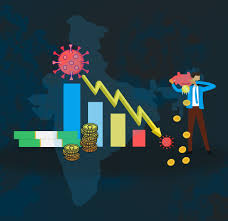
- Sensex dropped 500+ points on July 31
- Rupee declined sharply against the dollar
- Exporters faced order cancellations and shipping delays
- Freight and insurance costs rose, as importers re-evaluated viability
Key Voices:
- FIEO (Federation of Indian Export Organisations) expressed deep concern, especially for labor-intensive industries like garments and gems.
- SEAI (Seafood Exporters Association of India) feared that their primary market might shut down temporarily.
- Small and medium exporters are facing credit stress and potential layoffs.
🗣️ Domestic Political Response in India
The Indian government took a measured approach, with Commerce Minister Piyush Goyal stating:
“We are analyzing the implications. India has transformed from a ‘Fragile 5’ economy to the world’s fastest-growing one. We will act to protect our national interest.”
Opposition Reacts:
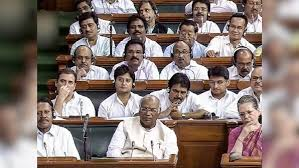
- Shashi Tharoor (Congress MP): Called the move “completely unreasonable” and “designed to blackmail”.
- Imran Masood (Congress): Said, “India’s diplomacy has failed. This is humiliation.”
- CPI(M) Leader Brinda Karat: Accused the Modi government of not diversifying enough and depending too much on the U.S.
🌐 Global Reactions & Context
Trump’s tariff spree hasn’t just targeted India. Other countries have been hit as well:
| Country | Tariff | Reason |
|---|---|---|
| Brazil | 50% | Lack of cooperation in WTO talks |
| Japan, South Korea | 15% | “Currency manipulation” |
| EU | 15% | Green energy subsidies dispute |
| Pakistan | 0% (New oil deal) | Political alignment with U.S. |
| Canada | Sanction threat | Support for Palestine |
This shows Trump’s broader attempt to remake global trade dynamics in America’s favor, regardless of historical alliances.
📦 What’s Protected?

Not all sectors are under threat. Notably:
- iPhone assembly units in India (run by Foxconn) remain unaffected. Trump sees Apple as an American brand, even if it manufactures in India.
- Pharmaceutical APIs and formulations, due to U.S. dependence on Indian generics, are mostly exempt.
- Software and IT services continue under existing visa and business services arrangements—for now.
However, future escalations could put even these areas at risk.
🧠 Strategic and Diplomatic Options for India
India is in a tough spot. Here are potential strategies:
1. Negotiate Bilateral Trade Framework
India could offer limited tariff relaxations and open sectors like e-commerce or banking to U.S. participation in return for tariff rollback.
2. Leverage BRICS & Alternative Markets
With BRICS expansion and a growing trade relationship with the UAE, Saudi Arabia, Russia, and South Africa, India could diversify exports, especially of crude byproducts, agri-goods, and metals.
3. Retaliatory Tariffs (Carefully Calibrated)
India could impose reciprocal tariffs on American products like almonds, apples, medical devices, and spirits, as done in 2018.
4. WTO Dispute Settlement
India may challenge the tariff hike at the World Trade Organization, arguing that it violates Most Favored Nation (MFN) obligations and the General Agreement on Tariffs and Trade (GATT).
5. Strengthening Domestic Demand
India can cushion the export blow by:
- Increasing domestic consumption
- Offering exporter subsidies
- Reducing GST or offering credit holidays to affected industries
💡 Lessons & Long-Term Outlook
This trade spat is a wake-up call for India to:

- Reduce dependency on single markets like the U.S. and EU
- Build manufacturing resilience via “Make in India” 2.0
- Accelerate Free Trade Agreements (FTAs) with ASEAN, UK, and Australia
- Align export policies with geopolitical realities
The real challenge is balancing India’s strategic autonomy—especially regarding Russia—with the economic necessity of strong ties with the West.
🔚 Conclusion

Trump’s decision to impose a 25% tariff on Indian goods is more than just an economic event—it’s a strategic challenge. India must respond with maturity, resilience, and long-term vision. The next few months will be critical in determining whether this confrontation turns into a lasting rupture or a negotiated reset.
India’s strength lies in its vast market, youthful workforce, and growing diplomatic stature. If it leverages these assets wisely, it may emerge not weakened—but stronger, more independent, and better diversified in a rapidly realigning world.